
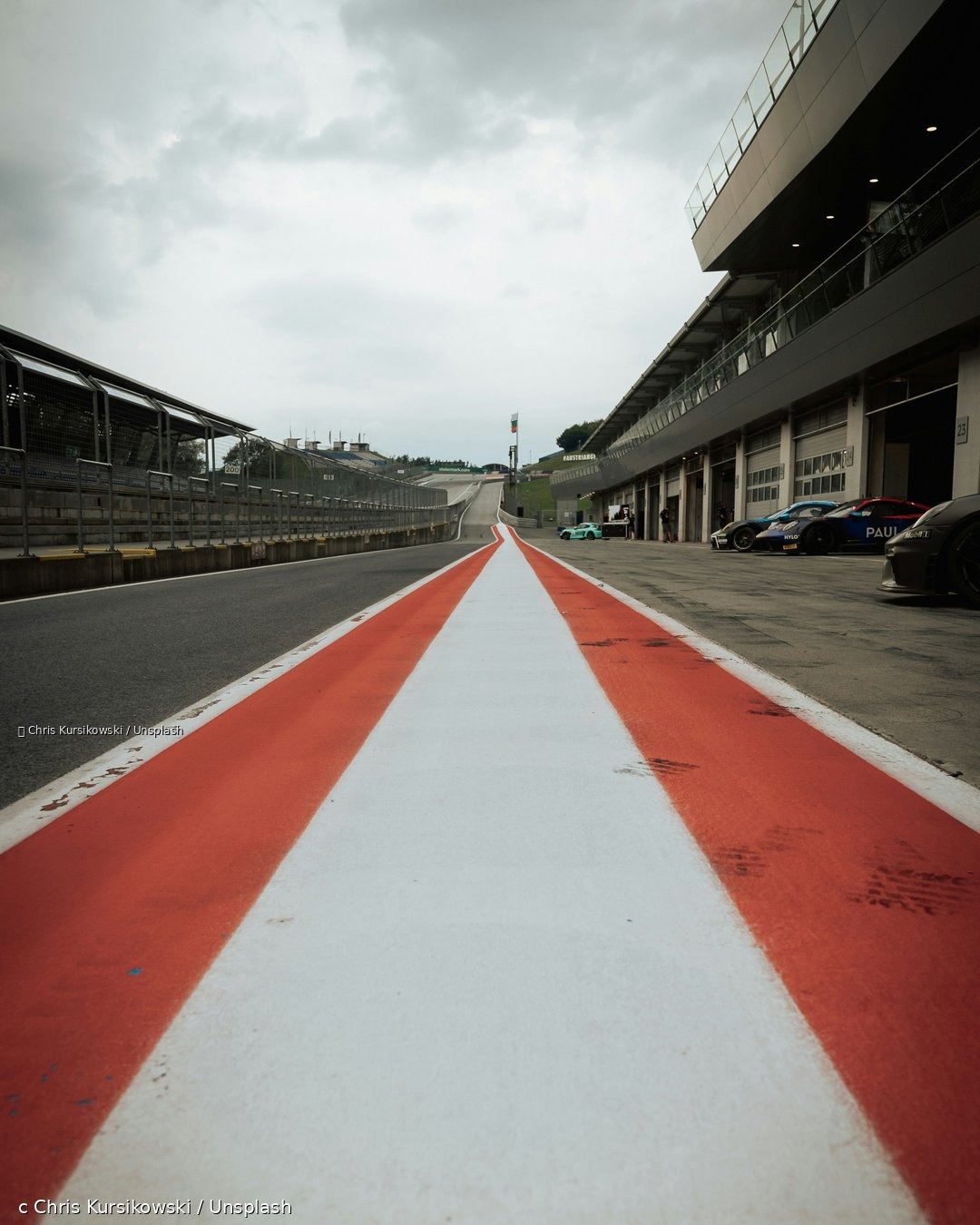
You are sitting in third place. The car ahead is two seconds faster. There is no realistic way to overtake on track. The gap is not closing and there are 15 laps to go.
Then your engineer calls you in for a pit stop.
One lap later, you come out ahead of the car that was beating you. You never passed them on track. You never even got close. But you are now leading them by four seconds.
That is the undercut. And once you see it work, you will look for it in every single race.
What Actually Happens
The undercut works because of one simple truth about Formula 1: fresh tyres are significantly faster than old ones.
When a driver pits while their rival stays out, they lose a small amount of time in the pit lane, roughly 20 to 25 seconds depending on the circuit. But they come out on fresh rubber, which immediately gives them two to three seconds of extra pace per lap compared to the car still running on worn tyres.
If the rival stays out for another two or three laps before pitting themselves, the driver on fresh tyres has already eaten into that pit stop time loss and potentially gone beyond it. By the time the rival pits and comes back out, the positions have flipped.
No overtake. No contact. Just better timing. (Source: formula1.com)
The Overcut: The Other Side of the Same Coin
The undercut has a counterpart called the overcut. Instead of pitting early to gain the advantage, a driver stays out longer than their rival, using the clear track ahead of them to post fast lap times on a less congested circuit.
The overcut works best when the safety car has just come in, when traffic is heavy in the pit lane, or when the tyres still have genuine pace left and the driver can extend the stint without losing much time.
Choosing between the two is one of the most interesting decisions a strategy team makes during a race. Pit too early and you hand the overcut to your rival. Pit too late and they have already completed their undercut against you.
The timing window is often just two or three laps wide. Miss it and the opportunity is gone. (Source: motorsport.com)
When the Undercut Works Best
Not every race is a good candidate for an undercut. A few conditions need to be in place for it to succeed.
First, the tyre delta needs to be large enough. If fresh tyres only give you one second per lap of extra pace, the undercut probably will not work because you cannot recover the pit stop time loss quickly enough.
Second, the pit lane time loss needs to be manageable. On circuits with a long pit lane like Monza or Silverstone, the time you lose pitting is higher, which makes the undercut harder to execute.
Third, there needs to be enough of a gap to the car behind you. If you pit and come out directly into traffic, you lose the clean air your fresh tyres need to perform and the advantage disappears.
When all three conditions align, the undercut is one of the most reliable strategic weapons in Formula 1. Teams that identify the window early and commit to it decisively win positions without ever needing to go wheel to wheel. (Source: fia.com)
A Real Example
The 2019 Italian Grand Prix at Monza is one of the clearest examples of the undercut in action. Charles Leclerc was leading in the Ferrari and looked set for a home win. His rivals used the undercut during the pit stop phase to try and jump him. The entire race came down to whether Ferrari timed their response correctly.
It was not just about who pitted first. It was about who understood the tyre data better and committed at the right moment.
Leclerc held on to win, but only because Ferrari responded quickly enough to protect his position. A one lap delay would have cost him the race.
What Would You Do?
You are on Lap 35 of 50. You are in second place, two seconds behind the leader. Both of you are on tyres that have 12 laps of life left at most. Your engineer comes on the radio:
„We think there is an undercut window opening in the next two laps. If we pit now, the fresh tyre pace should bring you out ahead. But if they respond immediately and pit the lap after, it will not work. Do we go for it?“
Do you go for the undercut now, or wait and see what the leader does first?
Leave your answer in the comments. This is the kind of call that wins and loses championships.
Next up: Pit Stop Timing, the decision that looks simple but never is.
Sources:
- Formula 1 Strategy Explainer: https://www.formula1.com/en/latest/article/strategy-explained.html
- Motorsport.com Undercut and Overcut Guide: https://www.motorsport.com
- FIA Formula 1 Sporting Regulations: https://www.fia.com/regulation/category/110
- Pirelli Tyre Performance Data: https://www.pirelli.com/tyres/en-ww/motorsport/f1/technology/